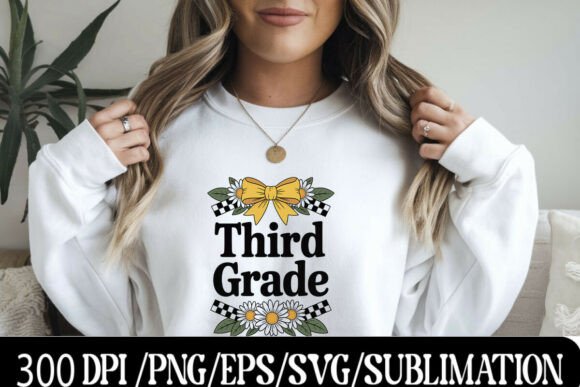
Third Grade Floral Yellow Bow Design: A Practical Evaluation
The Third Grade Floral Yellow Bow Design represents a specific aesthetic niche within the realm of educational and children's decor. It is an artistic collection that merges the whimsical nature of primary school creativity with structured floral motifs, anchored by a prominent yellow bow illustration. This design style is frequently encountered in digital downloads, printed posters, and classroom wall art intended for students aged eight to nine. Unlike generic educational materials that focus solely on data or curriculum, this design approach prioritizes visual engagement, utilizing a vibrant color palette and nostalgic charm to create an inviting atmosphere.
For parents, educators, and interior designers specializing in learning spaces, understanding the utility and limitations of this specific design is crucial. While it offers distinct emotional and aesthetic benefits, it also presents tradeoffs regarding versatility and longevity. This article evaluates the Third Grade Floral Yellow Bow Design to help readers determine if it aligns with their specific goals for classroom management, home schooling environments, or gift-giving scenarios.
Understanding the Core Elements
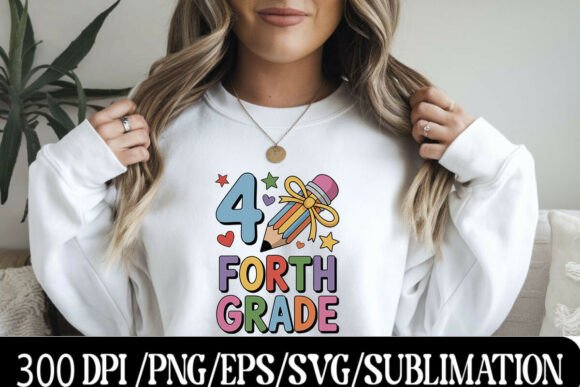
At its foundation, the Third Grade Floral Yellow Bow Design is a synthesis of two distinct visual languages: the organic flow of floral art and the structured symbolism of school supplies. The central motif, a cheerful yellow bow, serves as a focal point that suggests celebration, achievement, and the joy of learning. Surrounding this are elements such as stylized apples, pencils, and open books, often rendered in a soft, hand-drawn style reminiscent of student artwork.
This collection is not merely decorative; it is designed to evoke a sense of nostalgia and warmth. The "floral" aspect introduces a touch of nature and softness that can counterbalance the rigid lines of traditional desks and whiteboards. The result is a visual environment that feels less institutional and more like a creative sanctuary. When evaluating this design, one must recognize that it targets the developmental stage where children are transitioning from early childhood play to more formal academic structures. The imagery is sophisticated enough to respect their growing maturity but playful enough to maintain engagement.
Reasons for Interest and Appeal
Several factors drive interest in the Third Grade Floral Yellow Bow Design. Primarily, it addresses the need for positive reinforcement in learning environments. A space decorated with uplifting imagery can influence mood and behavior. For teachers, selecting this design is often a strategic move to cultivate a welcoming classroom culture at the start of the school year. The bright yellow tones are psychologically associated with energy and optimism, which can be beneficial during the transition back to school routines.
Additionally, this design serves a functional purpose in gift-giving. As a teacher appreciation gift, art featuring these themes acknowledges the dual role of educators as both instructors and mentors. It moves beyond standard tokens like mugs or candy, offering a piece of decor that reflects the spirit of the profession. Parents may also seek this design for home study areas, aiming to replicate the supportive atmosphere of a well-managed classroom within their own homes.
Benefits and Tradeoffs
Adopting the Third Grade Floral Yellow Bow Design offers clear advantages, particularly in terms of atmosphere and engagement. The primary benefit is the creation of a low-stress environment. The soft floral patterns and rounded shapes reduce visual clutter and cognitive load, allowing students to focus better on tasks. Furthermore, the design acts as a subtle bridge between education and art, encouraging students to view learning as a creative process rather than a chore.
However, there are tradeoffs to consider. The most significant limitation is the specificity of the age group. Because the design explicitly references "Third Grade," it has a limited lifespan. A child who outgrows third grade may find the imagery too juvenile, necessitating a replacement of the decor. Additionally, the reliance on a specific color palette—dominated by yellows and pastels—may not align with every existing interior scheme. If a room already features bold primary colors or a minimalist gray aesthetic, introducing this vibrant, floral-heavy design could create visual dissonance.
Another consideration is the durability of the materials. Many offerings in this category are digital prints or lightweight paper posters. In high-traffic classrooms, these may require frequent replacement due to wear and tear. Buyers must weigh the initial cost against the potential need for annual updates as the class progresses or the materials degrade.
Ideal Situations for Implementation
The Third Grade Floral Yellow Bow Design is a strong fit for several specific scenarios. It is particularly effective in new classrooms where the teacher has full autonomy over the decor and wishes to establish a warm, inviting tone immediately. It works well in private tutoring centers or homeschool rooms where the goal is to make learning feel personal and engaging rather than clinical.
This design is also highly suitable for transitional periods, such as the beginning of the school year or end-of-year celebrations. The celebratory nature of the bow motif makes it ideal for graduation displays or awards ceremonies within the third-grade context. Furthermore, it serves as an excellent choice for teachers' lounges or staff appreciation walls, where the imagery can serve as a reminder of the joy found in teaching young children.
When to Consider Alternatives
Despite its charm, the Third Grade Floral Yellow Bow Design may not be the optimal choice for every situation. If the goal is to create a gender-neutral or strictly academic environment without specific thematic distractions, a more abstract or subject-focused design might be preferable. For example, a science lab or a math center might benefit from designs that highlight equations, maps, or scientific illustrations rather than floral bows.
Alternatives should also be considered if the budget does not allow for frequent redecorating. Since this design is age-specific, investing heavily in large-scale installations may lead to wasted resources once the students advance to fourth grade. In such cases, opting for neutral, timeless educational art that focuses on universal concepts of curiosity and growth would provide better long-term value. Similarly, if the room's lighting is poor, the pastel tones often found in this design might appear washed out, requiring a switch to bolder, higher-contrast artwork to ensure visibility.
Practical Decision-Making Insights
When deciding whether to integrate the Third Grade Floral Yellow Bow Design into a space, readers should follow a few practical steps. First, assess the current color scheme of the room. Ensure that the yellow and floral accents complement rather than clash with existing furniture and walls. Second, consider the longevity of the investment. If the space will be used by multiple age groups over several years, a more versatile design is likely a wiser financial decision.
Finally, evaluate the intended message. Does the goal involve fostering creativity and emotional safety, or is the priority strict academic rigor? If the former, this design is an excellent tool. If the latter, it might be best used sparingly as an accent rather than the dominant theme. By carefully weighing these factors, educators and parents can determine if this whimsical blend of floral art and school supplies truly meets their needs, ensuring that the decor supports the educational journey effectively.