Unlocking Potential: The Power of Inclusive Education and the Spirit of Learning
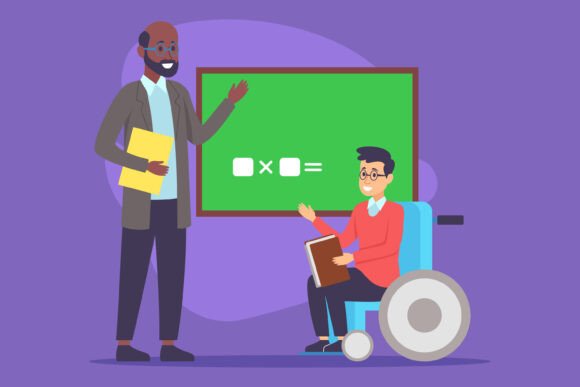
In the heart of every vibrant classroom lies a dynamic energy that transcends physical boundaries. Imagine a scene where a jubilant teacher, brimming with passion, unveils a complex concept to an eager student seated in a wheelchair. This is not merely a snapshot of a lesson; it is a powerful testament to the invigorating classroom spirit that defines true inclusive education. This vivid visual champions a cause far greater than simple instruction: it represents a world where the pursuit of knowledge knows no bounds, regardless of physical dispositions. As we explore the landscape of modern learning, understanding how such environments foster curiosity, understanding, and intellectual stimulation is crucial for educators, parents, and society at large.
The Foundation of Inclusivity in Modern Classrooms
At its core, inclusive education is about more than just placing students with diverse needs into the same room. It is a deliberate, progressive teaching method designed to ensure that every individual feels valued, supported, and challenged. When we look at the graphic of the teacher and the student in the wheelchair, we see the practical application of this philosophy. The atmosphere depicted is one where barriers are dismantled, replaced by bridges of communication and shared discovery.
In traditional settings, the focus often rested on what a student could not do. However, the modern approach shifts the lens to what a student can achieve with the right support. This shift is vital because it transforms the classroom from a place of mere attendance to a hub of active engagement. For general readers, it is important to understand that inclusivity benefits everyone, not just those with disabilities. It creates a culture of empathy and adaptability that prepares all students for a diverse workforce and community.
Redefining the Role of the Educator
The educator in our visual narrative plays a pivotal role. They are not just a dispenser of facts but a facilitator of potential. Their jubilation stems from seeing a concept "click" for a student who might have been overlooked in less adaptive environments. This highlights a critical aspect of professional development: teachers must be equipped with strategies to differentiate instruction. Whether through assistive technology, modified materials, or flexible seating arrangements, the goal remains the same—to make the curriculum accessible to all.
Consider the example of a science lesson on gravity. In a non-inclusive setting, a student in a wheelchair might be excluded from a hands-on experiment involving movement. In an inclusive environment, the teacher adapts the activity, perhaps using digital simulations or modifying the equipment so the student can participate fully alongside their peers. This adaptation does not lower the standard; it maintains the rigor while ensuring access.
Fostering Curiosity and Intellectual Stimulation
One of the most profound impacts of an inclusive classroom is the surge in collective curiosity. When students see their peers succeeding despite different challenges, it sparks a deeper level of intellectual engagement. The "eager student" in our depiction is driven by a genuine desire to learn, fueled by an environment that validates their presence and intellect.
This atmosphere fosters several key outcomes:
- Enhanced Critical Thinking: Students learn to approach problems from multiple perspectives, understanding that there is rarely just one way to solve a challenge.
- Empathy and Social Skills: Interacting with diverse peers builds emotional intelligence, a skill highly valued in modern business and daily life.
- Resilience: Seeing others overcome obstacles inspires perseverance in all students, creating a growth mindset culture.
Furthermore, the intellectual stimulation found in these spaces often leads to creative breakthroughs. When a classroom embraces diversity, it mirrors the real world, where innovation thrives on varied viewpoints. A student who learns to communicate effectively with someone who has different physical abilities is better prepared to collaborate in global teams or navigate complex social structures later in life.
Practical Relevance in Daily Life and Work
The principles observed in this invigorating classroom spirit extend far beyond school walls. In the modern workplace, companies are increasingly prioritizing diversity, equity, and inclusion (DEI) because they recognize that diverse teams perform better. The skills learned in an inclusive classroom—adaptability, clear communication, and respect for difference—are directly transferable to professional environments.
For instance, a manager who understands the value of accessibility will naturally create workflows that accommodate remote work, neurodiversity, and physical limitations, leading to higher employee retention and productivity. Similarly, in daily activities, individuals raised with an inclusive mindset are more likely to advocate for accessible public spaces and equitable policies. The ripple effect of a single inclusive classroom can influence the broader societal fabric, promoting a culture where no one is left behind.
Dispelling Common Misunderstandings
Despite the clear benefits, there are still misconceptions surrounding inclusive education that need to be addressed. One common assumption is that including students with disabilities slows down the pace of learning for the rest of the class. Research consistently shows the opposite: differentiation techniques used to support diverse learners often clarify concepts for all students, making lessons more engaging and easier to understand.
Another misunderstanding is that inclusivity requires expensive resources or specialized facilities. While technology can be a great aid, the most significant factor is the attitude of the educator and the school culture. Simple changes, such as arranging desks to allow wheelchair access, using clear and concise language, and encouraging peer collaboration, can transform a space without a massive budget. The graphic of the passionate teacher illustrates that the primary resource needed is human connection and dedication.
- Misconception: "Inclusion means lowering academic standards."
Reality: Standards remain high, but the pathways to achieving them become flexible and accessible. - Misconception: "Only special education teachers can handle inclusive classrooms."
Reality: General education teachers, with proper training and support, are fully capable of fostering inclusive environments. - Misconception: "Students with disabilities should be segregated for their own good."
Reality: Segregation often leads to isolation and missed opportunities for social and academic growth.
Technology and Creativity in Inclusive Learning
Technology acts as a great equalizer in the modern classroom. From screen readers and speech-to-text software to virtual reality experiences, digital tools open doors that were previously closed. In the context of our visual, imagine if the teacher uses an interactive tablet to demonstrate a concept, allowing the student in the wheelchair to manipulate variables at their own pace. This integration of technology not only supports accessibility but also enhances creativity.
Creativity flourishes when constraints are removed. When students are free to express their understanding in various formats—whether through writing, speaking, drawing, or coding—they are more likely to engage deeply with the material. This approach aligns with progressive teaching methods that prioritize student agency. By valuing different modes of expression, educators validate the unique strengths of every learner.
A Vision for the Future
As we look toward the future of education, the image of the jubilant teacher and the eager student serves as a guiding light. It reminds us that education is a human endeavor, rooted in the belief that every mind holds untapped potential. The journey toward full inclusivity is ongoing, requiring continuous reflection, adaptation, and commitment from all stakeholders.
Whether you are a parent advocating for your child, an educator refining your practice, or a community member interested in social progress, understanding the significance of inclusive environments is essential. It is about building a society where the pursuit of knowledge is a universal right, not a privilege reserved for the able-bodied. By embracing the spirit of the classroom depicted in our graphic, we champion a world where curiosity reigns supreme, and every individual is empowered to reach their full potential.
Ultimately, the invigorating classroom spirit is not just a feeling; it is a strategy. It is a deliberate choice to create spaces where understanding triumphs over exclusion, where curiosity drives innovation, and where the boundaries of learning are constantly expanding. Let us continue to champion this cause, ensuring that the next generation inherits a world where education truly knows no bounds.