Fruits Coloring Book for Kids: Fun & Learning
In a world increasingly dominated by screens, the simple act of coloring remains a powerful tool for connection and development. A Fruits Coloring Book offers more than just a way to pass time; it serves as a bridge between imagination and early education. Designed specifically for toddlers, preschoolers, and kindergarteners aged 2 to 6, these resources combine adorable visuals with practical learning objectives. Whether you are looking for a quiet afternoon activity or a structured educational supplement, understanding what makes this specific type of resource valuable can help you choose the right fit for your needs.
What Defines a Quality Fruits Coloring Book?
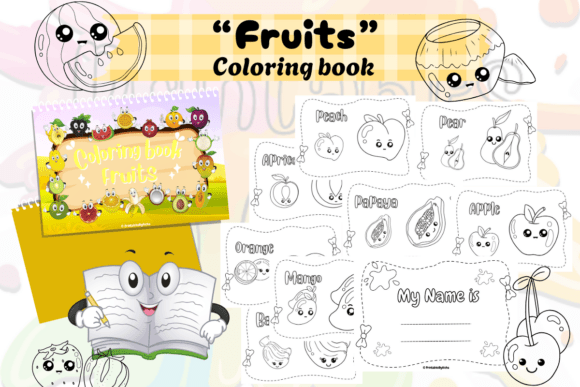
A well-crafted Fruits Coloring Book is distinct from generic activity sheets because it balances artistic freedom with developmental appropriateness. The core appeal lies in the subject matter: familiar fruits like apples, bananas, oranges, mangoes, and papayas are transformed into engaging characters. Often styled with "kawaii" features—large eyes, smiling faces, and expressive emotions—these designs capture the attention of young children who might otherwise struggle to focus on abstract shapes.
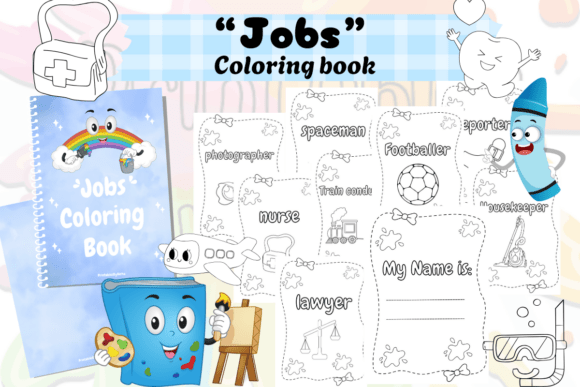
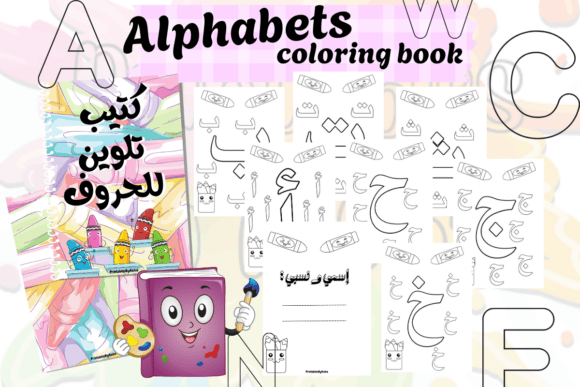
Beyond the visual charm, the structural design plays a critical role. For children in the 2-6 age range, fine motor skills are still developing. Therefore, high-quality pages feature large, bold outlines that are easy to stay within. This reduces frustration and builds confidence. A typical collection includes around 30 to 35 unique pages, often formatted in standard sizes like A4 or A5, ensuring they fit easily into binders or on standard home printers. Many also include bonus pages, such as a "My Name Is..." sheet, which adds a personal touch and reinforces literacy skills alongside artistic expression.
Why Parents and Guardians Value These Resources
For parents and guardians, the primary motivation often centers on screen-free engagement and developmental support. In an era where digital consumption is high, a printable Fruits Coloring Book provides a tangible alternative that encourages tactile interaction. The act of holding a crayon, choosing colors, and applying pressure helps refine the small muscles in the hands and fingers, a crucial precursor to handwriting.
Furthermore, these books serve as subtle educational tools. When a child colors a smiling watermelon or a cheerful strawberry, they are simultaneously practicing fruit recognition. Parents can turn the activity into a conversation starter about nutrition, colors, and textures. The instant download format of modern digital versions adds another layer of convenience. Instead of waiting for shipping, a parent can purchase and print the book immediately, making it an ideal solution for last-minute activities, travel days, or unexpected rainy afternoons.
The Educator's Perspective: Classroom and Homeschool Integration
Teachers and homeschooling families approach the Fruits Coloring Book with a focus on curriculum alignment and group management. In a classroom setting, having a consistent theme allows educators to integrate art into broader lessons about health, biology, or even geography (where do different fruits grow?). The uniformity of the designs ensures that all students have access to the same quality material, regardless of their individual skill levels.
For the homeschooling parent, flexibility is key. A downloadable PDF containing 32 coloring pages plus covers allows for customization. They can print only the pages needed for the week, laminate them for reuse with dry-erase markers, or cut them out for sensory bins. The inclusion of a "My Name" page is particularly useful for creating personalized workbooks that children can take pride in displaying. Unlike physical books found in stores, digital files offer the ability to scale usage based on the number of students or the duration of the lesson plan without additional cost.
Opportunities for Creators and Small Business Owners
While many view these books as consumer products, creators, entrepreneurs, and small business owners see them as viable assets. For independent artists, designing a Fruits Coloring Book represents an entry point into the digital product market. The demand for niche, high-quality educational content is steady, and the low overhead of digital distribution makes it an attractive venture.
Business owners in the educational sector might evaluate these resources based on commercial value and scalability. A well-designed set of 35 pages can be sold as a standalone product or bundled with other seasonal themes. The ability to offer instant download access improves customer satisfaction and reduces logistical headaches associated with inventory and shipping. Additionally, the reusable nature of the content—when printed on cardstock or laminated—adds perceived value, encouraging repeat purchases or subscriptions to larger collections.
Evaluating Quality and Usability
- Design Clarity: Are the lines thick enough for toddlers but detailed enough for older preschoolers?
- File Format: Does the PDF open easily on various devices and print correctly on standard paper sizes?
- Content Variety: Does the book offer a mix of single fruits, fruit baskets, and character scenes to maintain interest?
- Reusability: Can the pages be adapted for multiple uses, such as tracing, cutting practice, or flashcards?
Matching the Resource to Your Goals
Determining if a Fruits Coloring Book is the right choice depends heavily on your specific goals. If you are a beginner looking for a simple way to engage a toddler, the ease of use and immediate availability of a digital download make it an excellent starting point. You don't need special equipment—just a printer and some crayons.
For professionals seeking to enhance their teaching toolkit, the focus shifts to the educational depth. Does the book cover a wide variety of fruits? Are the designs culturally inclusive? The answer to these questions determines its long-term usefulness in a diverse learning environment. Hobbyists and crafters might prioritize the aesthetic appeal, using the images as templates for stickers, scrapbooking, or DIY party invitations.
Ultimately, the value of a Fruits Coloring Book extends beyond the ink on the page. It is a versatile tool that adapts to the needs of parents seeking quiet time, teachers building lesson plans, and creators exploring new markets. By prioritizing clear design, educational relevance, and user-friendly formats, these resources continue to spark creativity and support early childhood development in meaningful ways.