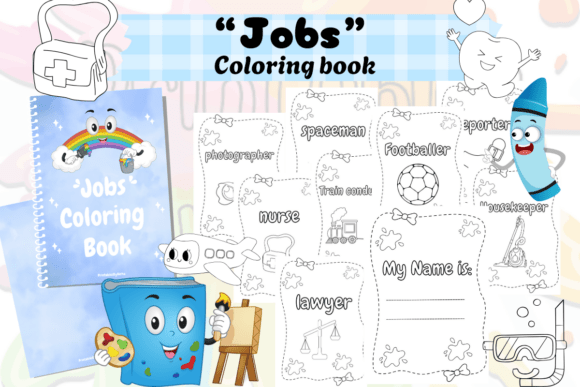
Jobs Coloring Book: Visual Design for Kids
In the realm of visual communication, the power of a simple line drawing to convey complex ideas is undeniable. When we examine a Jobs Coloring Book from a professional graphic design perspective, we see more than just an activity for children; we observe a masterclass in visual hierarchy, iconography, and scalable vector art. These resources serve as foundational creative assets that bridge the gap between abstract concepts and tangible understanding, making them invaluable for educators, parents, and designers alike.
The Art of Visual Simplicity and Iconography
Effective graphic design often relies on the ability to distill a subject into its most essential elements. A well-crafted coloring page featuring professions like a nurse, astronaut, or train conductor demonstrates this principle perfectly. The illustrator must balance detail with clarity, ensuring that the lines are thick enough for small hands to color within while remaining thin enough to maintain character and expression. This delicate balance is crucial for creating high-quality creative assets that function effectively across different mediums, from print to digital screens.
From a brand identity standpoint, the consistency found in these illustrations is paramount. Whether depicting a photographer or a footballer, the style must remain uniform to create a cohesive visual language. This consistency mirrors the principles used in logo design and UI design, where recognizable patterns help users navigate content effortlessly. For a child, recognizing the visual cues of a "teacher" versus a "lawyer" builds early literacy and vocabulary, much like how a user recognizes navigation icons on a website.
Typography and Layout in Educational Materials
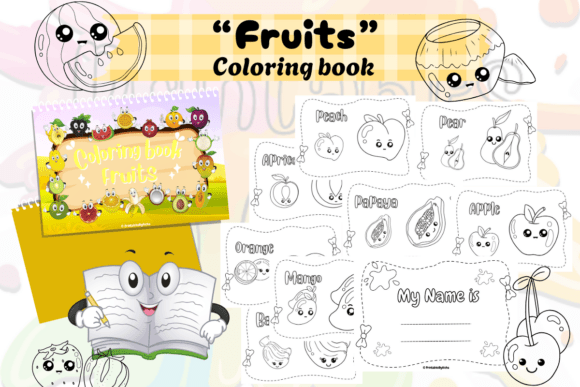
Beyond the illustrations themselves, the layout and typography play a critical role in the user experience (UX) of a printable activity book. The inclusion of a "My name is..." page introduces young learners to personalization and basic text input, a concept central to form design in web development. The choice of font must be legible, friendly, and appropriate for the target audience, avoiding overly decorative typefaces that hinder readability.
When designing such materials, the visual hierarchy guides the eye. The main illustration should dominate the space, while secondary elements like labels or instructions recede slightly without cluttering the composition. This approach ensures that the primary message—the profession being depicted—is immediately understood. In editorial design, similar techniques are used to guide readers through articles, ensuring that key information stands out against supporting text.
Practical Applications for Designers and Educators
The versatility of these design assets extends far beyond the classroom. Designers can leverage the clean lines and thematic organization of a Jobs Coloring Book to inspire various creative projects:
- Branding and Logo Design: The simplified silhouettes of professions can be adapted into custom icons for educational apps or career-focused websites.
- Social Media Graphics: High-resolution versions of these illustrations can be used to create engaging posts about career day, early learning, or family activities.
- Packaging Design: The vibrant potential of these pages makes them excellent candidates for product packaging, particularly for educational toys or stationery sets.
- Digital Products: These assets can be converted into interactive drag-and-drop activities for tablets, enhancing the UX of e-learning platforms.
Optimizing for Print and Digital Workflows
When utilizing files like the 38-page A5 or A4 PDF mentioned in standard offerings, understanding file specifications is key to maintaining quality. The resolution and color mode (CMYK for print, RGB for screen) must align with the intended output. For instance, a print design project requires crisp vectors to ensure that when a parent prints the page at home, the lines do not blur or pixelate. Conversely, for web design applications, optimizing file size without sacrificing visual fidelity is essential for fast load times.
Furthermore, the scalability of these designs allows them to adapt to various formats. A single illustration of a housekeeper or reporter can be resized for a business card, a billboard, or a mobile app interface, provided the original artwork is created with vector precision. This adaptability is a hallmark of modern design trends, where assets must perform seamlessly across multiple touchpoints in a customer's journey.
Conclusion: The Value of Thoughtful Design
Ultimately, the creation and utilization of a Jobs Coloring Book highlight the intersection of education and aesthetics. By focusing on clean lines, consistent style, and thoughtful composition, designers create tools that not only entertain but also educate. Whether used to teach a preschooler about community helpers or to inspire a new branding campaign, these visual assets demonstrate that good design is functional, accessible, and impactful. Embracing these principles ensures that every creative project, no matter how simple it may seem, contributes to a richer, more engaging visual world.