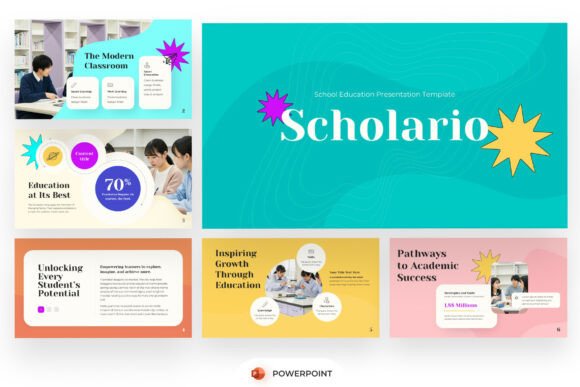
School Education PowerPoint: A Practical Evaluation
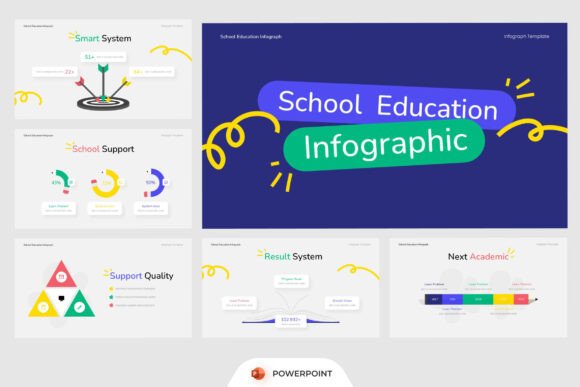
In the landscape of academic instruction and educational administration, the quality of visual aids plays a significant role in information retention. The School Education PowerPoint is an academic presentation template specifically engineered to support school programs, classroom activities, educational workshops, and learning development sessions. Unlike generic templates that often lack thematic relevance, this tool provides a structured framework designed to align with the unique needs of educators and students. This article evaluates the utility, features, and appropriate use cases for this template to help professionals determine if it meets their specific instructional goals.
Understanding the Core Design and Purpose
The School Education PowerPoint is not merely a collection of blank slides; it is a pre-designed system intended to streamline the creation of educational content. Its primary function is to transform complex academic information into accessible, visually engaging formats. The template incorporates colorful layouts and student-focused visuals, which are critical for maintaining attention spans in younger demographics or during long training sessions. By integrating infographic elements directly into the slide structure, the template encourages presenters to visualize data rather than relying solely on text-heavy bullet points.
For teachers and administrators, the value lies in the reduction of design time. Instead of spending hours formatting charts or sourcing clip art, users can focus on the pedagogical content. The structured educational content sections ensure that lessons follow a logical flow, from introduction to conclusion, while maintaining a consistent aesthetic throughout the presentation. This consistency helps establish a professional tone, whether the setting is a physical classroom, an online learning environment, or an academic seminar.
Key Features and Technical Specifications
When evaluating the technical aspects of the School Education PowerPoint, several standard specifications stand out. The template utilizes a 16:9 widescreen ratio, which is the current industry standard for modern projectors, smartboards, and digital displays. This ensures that content appears correctly without black bars or distorted images in most contemporary school settings.
The package includes fully editable slides, allowing users to modify text, colors, and layout elements to suit specific curriculum requirements. A significant advantage is the inclusion of free fonts, which eliminates compatibility issues when moving files between different computers or operating systems. Furthermore, the "Easy to Use" and "Easy Customize" nature of the file means that even those with limited graphic design experience can produce high-quality results. The package typically contains the PowerPoint files themselves along with help guide files to assist users in navigating the template's specific functions.
It is important to note a key limitation regarding assets: stock images included within the template are not part of the final deliverable license. Users must source their own imagery or rely on royalty-free image libraries to populate the placeholders. This distinction is crucial for schools adhering to strict copyright policies, as it places the responsibility of image licensing on the presenter.
Benefits for Educational Professionals
The primary benefit of adopting the School Education PowerPoint is efficiency. In an environment where educators often juggle lesson planning, grading, and administrative duties, a ready-made template significantly reduces preparation time. The pre-arranged infographic elements allow for quick data visualization, making it easier to explain statistical trends in student performance or budget allocations during board meetings.
Additionally, the student-focused visuals can enhance engagement. Research suggests that color and imagery improve memory retention in learners. By using a template that already incorporates these psychological principles, teachers can create more effective learning experiences without needing to be design experts. The versatility of the template also allows it to serve multiple purposes, ranging from classroom projects and student presentations to larger educational campaigns and teacher training workshops.
Tradeoffs and Considerations
While the template offers numerous advantages, there are tradeoffs to consider. The most notable constraint is the reliance on the provided layout. While the slides are fully editable, heavily customizing the underlying structure can sometimes break the design integrity or require advanced knowledge of PowerPoint master slides. Users who require highly bespoke designs may find the pre-set constraints limiting.
Another consideration is the exclusion of stock images. For institutions that do not have a subscription to a stock photo service, finding high-quality, relevant images to fill the placeholders can become a time-consuming task. If the goal is to have a "plug-and-play" solution where every visual element is immediately available, this template requires additional work from the user.
Furthermore, the colorful and vibrant style, while excellent for K-12 education, may not be suitable for all academic contexts. Higher education seminars or formal administrative reports might require a more subdued, minimalist aesthetic. In such cases, the energetic design of the School Education PowerPoint could appear too informal.
Ideal Scenarios for Implementation
This template is a strong fit for situations requiring high engagement and clear visual communication. It is particularly well-suited for:
- K-12 Classroom Instruction: Where visual variety is essential to keep students engaged.
- Educational Workshops: Training sessions for new teachers or staff development where interactive elements are needed.
- Student Projects: Providing a professional starting point for students to build their own presentations.
- Online Learning Modules: Creating video lectures or recorded content where visual consistency aids viewer focus.
- School Campaigns: Promoting events, safety initiatives, or literacy programs where a friendly, approachable look is desired.
In these scenarios, the balance of structure and creativity provided by the template supports the core objective of delivering information effectively.
When to Consider Alternatives
Despite its strengths, the School Education PowerPoint may not be the optimal choice for every situation. Alternatives should be considered if:
- Formal Corporate Reporting is Required: If the presentation is for investors or government officials, a more corporate, neutral template might convey greater authority.
- Advanced Animation is Needed: If the presentation relies heavily on complex transitions and custom animations that go beyond standard editing, a specialized animation-focused template would be better.
- Budget Constraints Exist: While many templates are affordable, some institutions may prefer free, open-source alternatives available through public domain repositories if they cannot justify the cost.
- Accessibility Compliance is Critical: If the institution has strict accessibility standards regarding color contrast and font sizes, the user must verify that the template's default settings meet these regulations before purchase.
Decision-Making Insights
To determine if the School Education PowerPoint aligns with your goals, evaluate your primary need: speed and engagement versus total creative control. If your priority is to deliver a polished, engaging lesson quickly without becoming a graphic designer, this template offers a practical solution. Its combination of editable slides, widescreen compatibility, and educational infographics addresses the common pain points of busy educators.
However, if your project requires a unique brand identity that cannot be achieved through simple customization, or if you need a completely neutral tone, exploring other options is advisable. Ultimately, the decision rests on balancing the time saved by using a pre-designed framework against the flexibility required for your specific content. By understanding both the capabilities and limitations of the template, educators can make an informed choice that enhances their teaching effectiveness.